5. Bent Over Rows (1 Leg) 6. Renegade Rows



Enter text here.
Core Essentials
Many popular books and exercise programs include exercises that are randomly organized and not based on a hierarchy of difficulty. This leaves the reader or exerciser frustrated if they can't do the exercises that are laid out in these aforementioned books.
Core Essentials (A Medically Based Personal Training Company) takes pride in presenting the exercises in a way that most (if not all) people can perform, due to this hierarchy of difficulty.There are 6 Templates in which each exercise is graded from easiest to hardest. Keep in mind, some templates (even though they are listed from easiest to hardest) may not be graded perfectly.
Pick one exercise (from each template) that is challenging but not overwhelming, try to perform the exercise in perfect form. These exercises mimic the basic patterns of human movement:
-Squatting
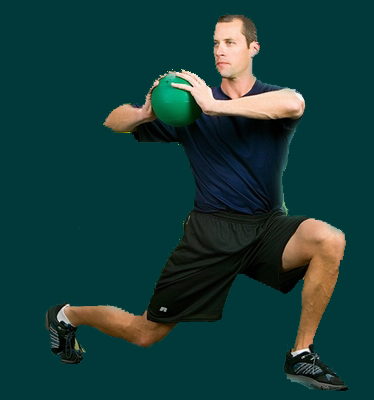
-Lunging
-One- leg standing postures
-Upper body pushing and pulling patterns which are paramount
motions in everyday living.
I believe in integrated strength, which simply means promoting movements that require full body effort & awareness which will improve one's ability to perform Activities of Daily Living (ADL's) and sport. When I work with my clients, I usually pick one exercise from each template (based on the abilities of the individual). Each person receives a comprehensive screen ultimately dictating the exercises chosen.
I recommend doing the MOVEMENT PREP exercises FIRST prior to doing the below exercises (scroll to the bottom of this page for details).

Template 1: Lower Body Standing Progressions
For a FULL explanation of each exercise, place mouse on the exercise you want to learn about & left click.
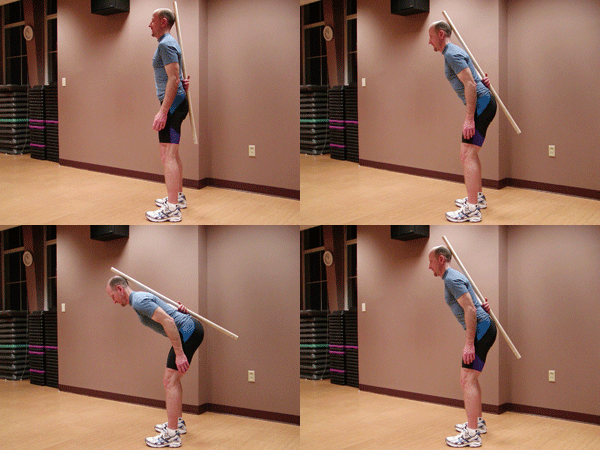
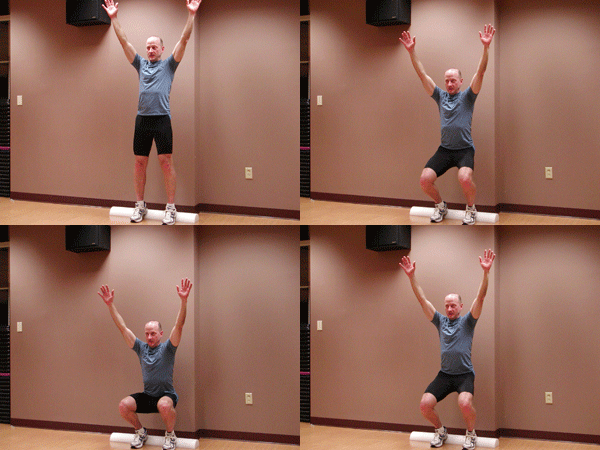
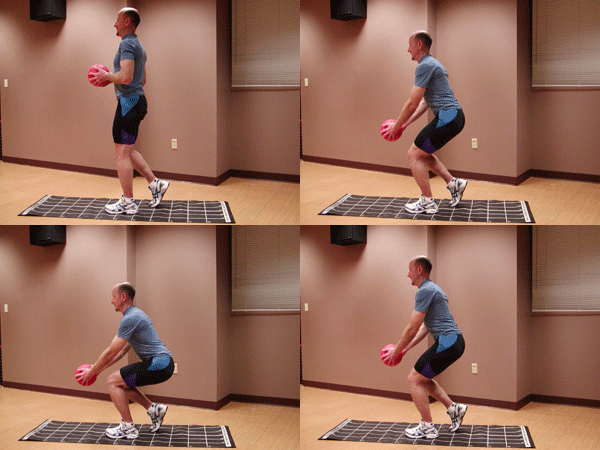
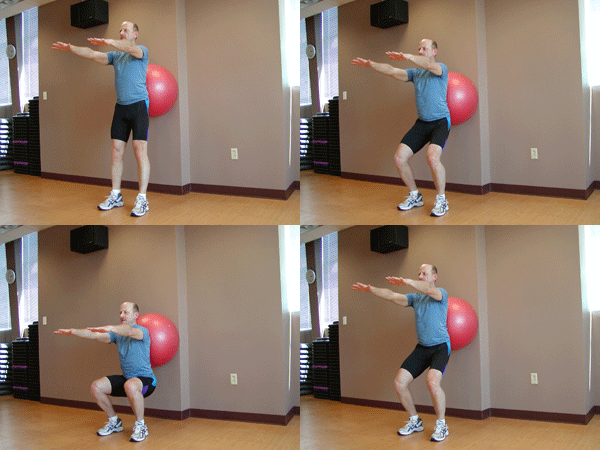
1. Ball Squat 2. Two-Leg Deadlift 3. Full Squat 4. Dippin' Bird
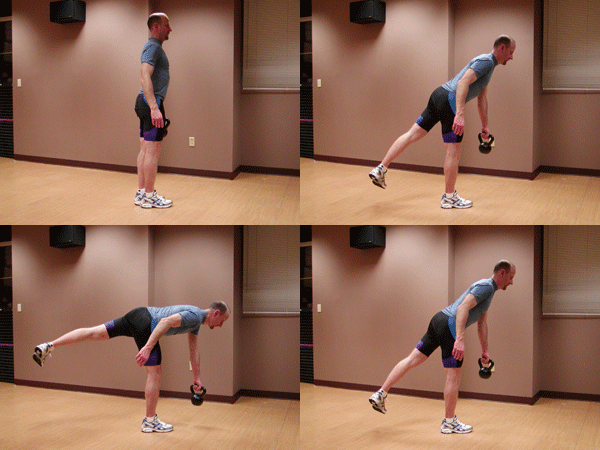
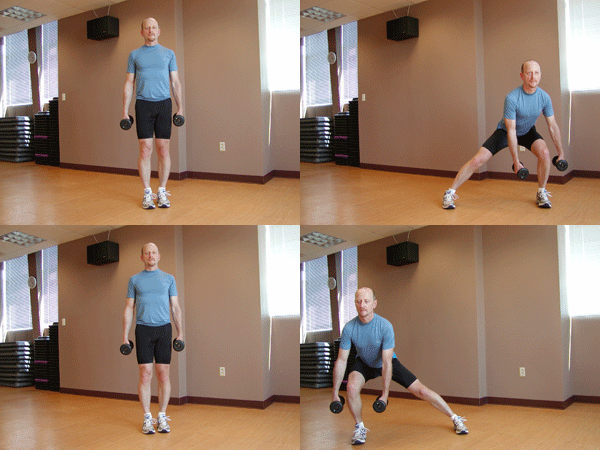
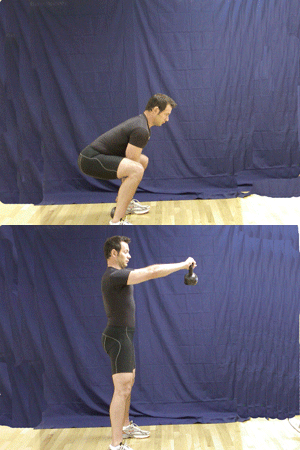
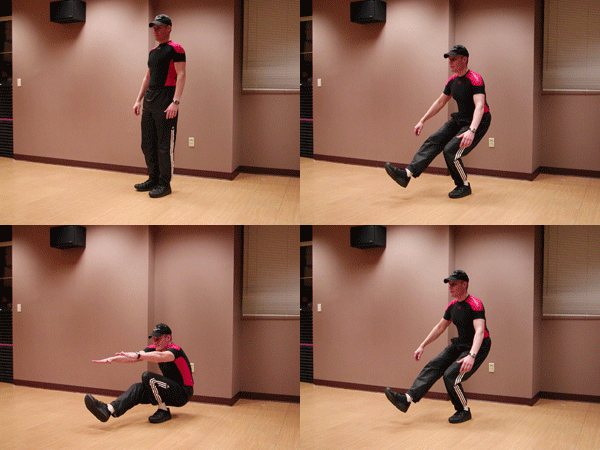
5. Side Lunge 6. Kettlebell Swing 7. One-Leg Deadlift 8. One-Leg Squat
Template 2: Supine Bridge Progressions
For a FULL explanation of each exercise, place mouse on the exercise you want to learn about & left click.
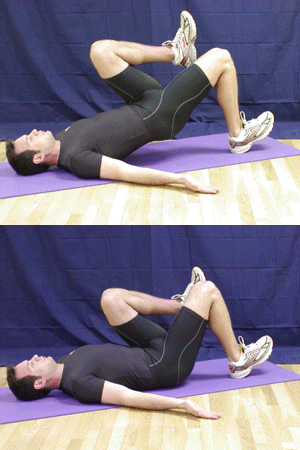
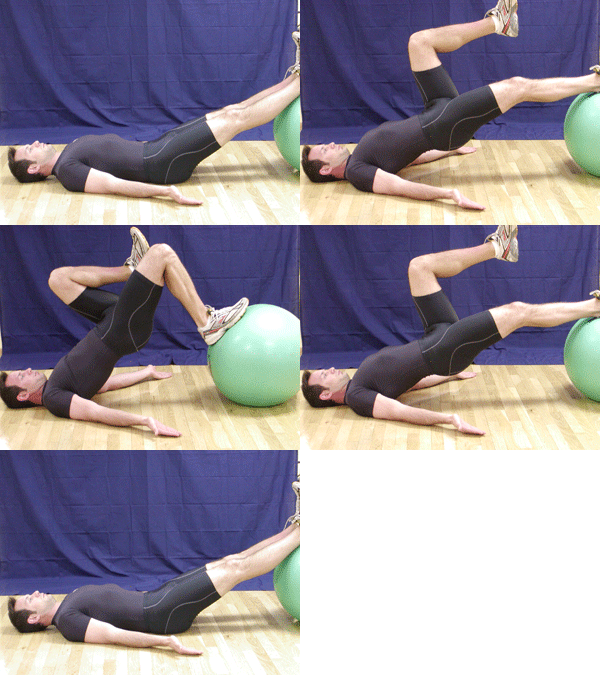
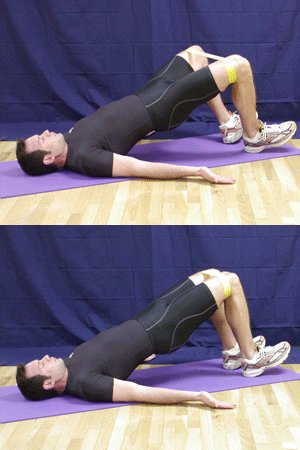
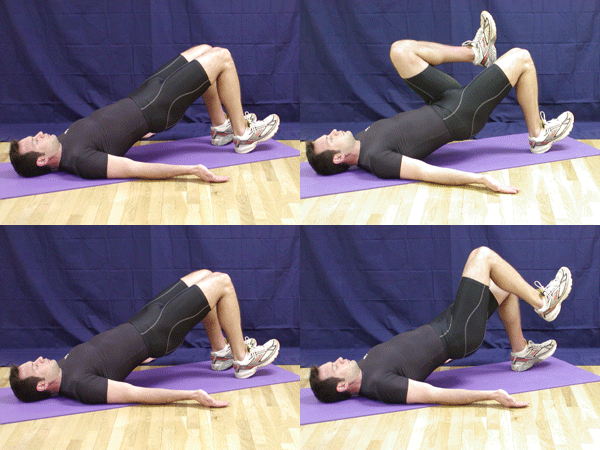
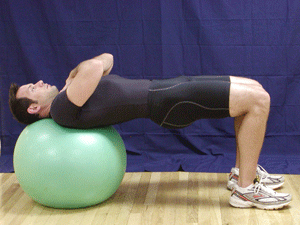
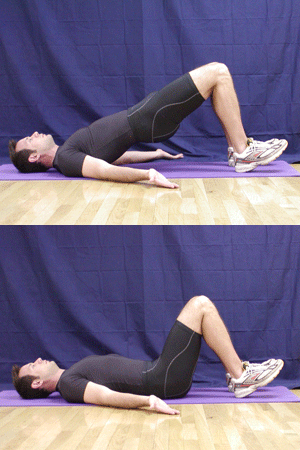
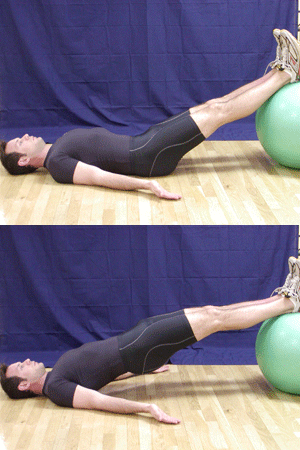
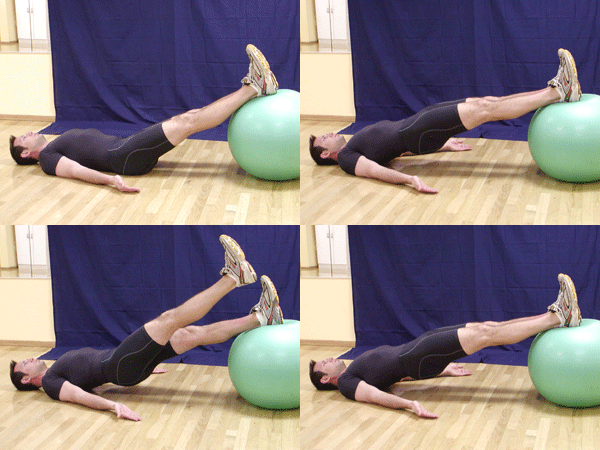
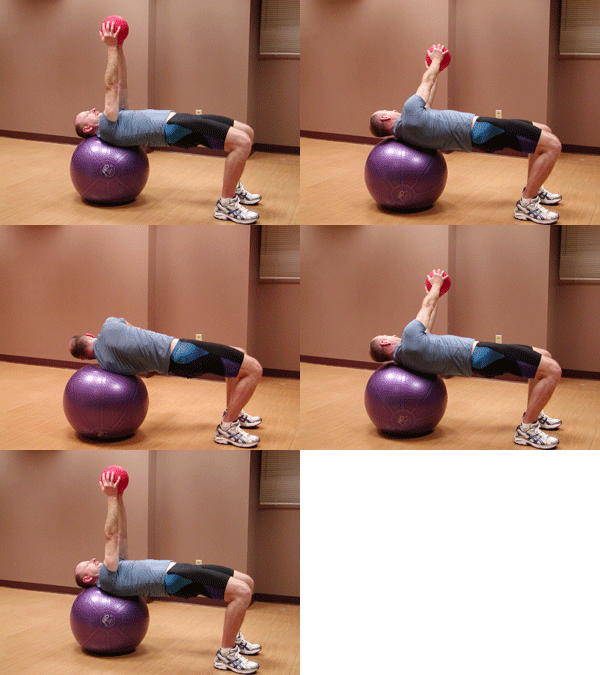
1. Two-Leg Bridge 2. Bridge with Fallouts 3. Bridge with Marching 4. One-Leg Bridge
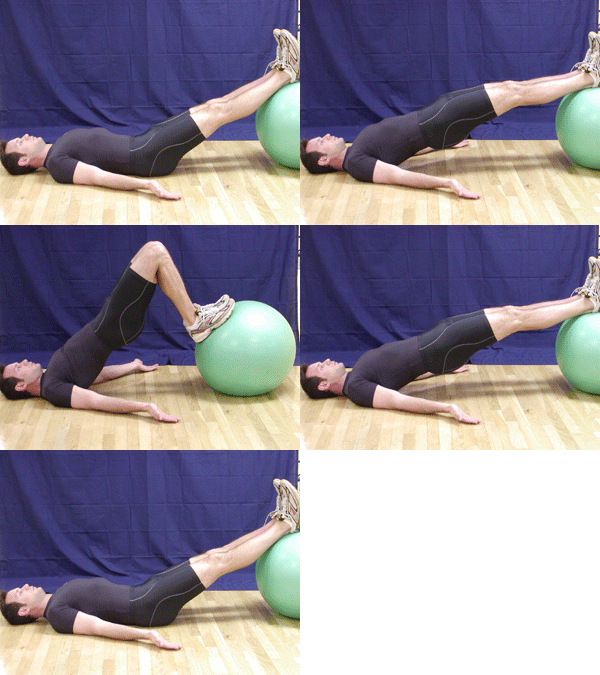
5. Ball Bridge 6. Bridge w/Alt. Leg Lift 7. Tabletop 8. Two-Leg Ball Curl
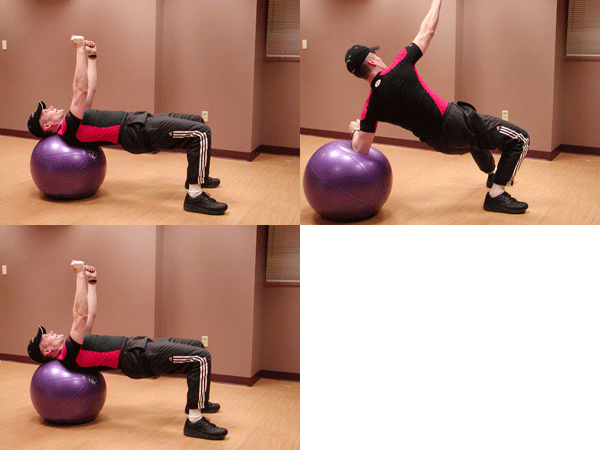
9. One-Leg Ball Curl 10. Russian Twist 11. Russian Twist w/Elbow Support
Web site designed & hosted by Michael Sylvester © 2013 at Homestead™
Template 3: Upper Extremity (PUSH)
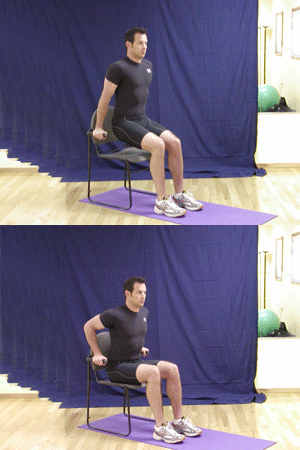
For a FULL explanation of each exercise, place mouse on the exercise you want to learn about & left click.
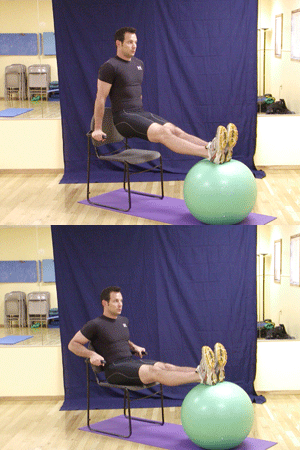
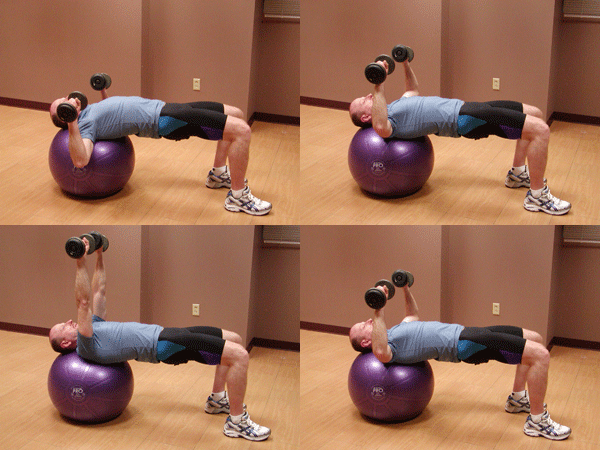
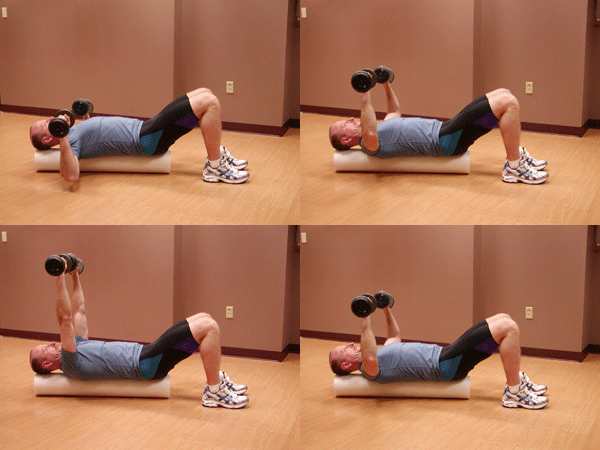
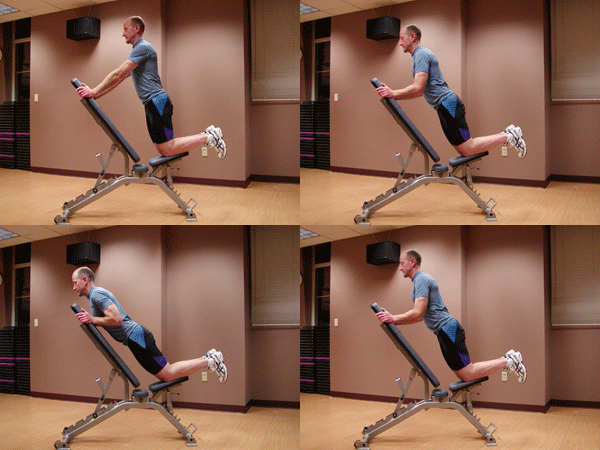
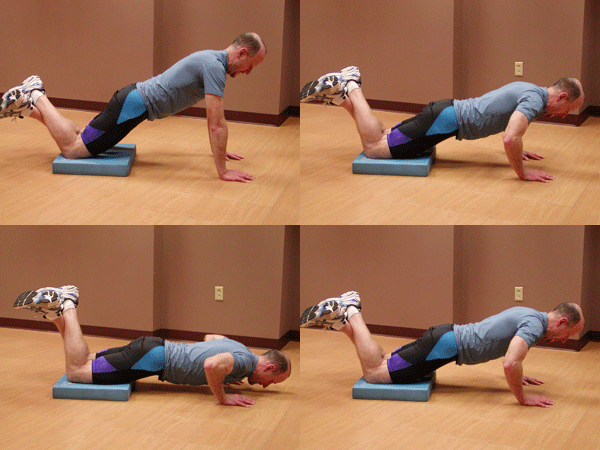
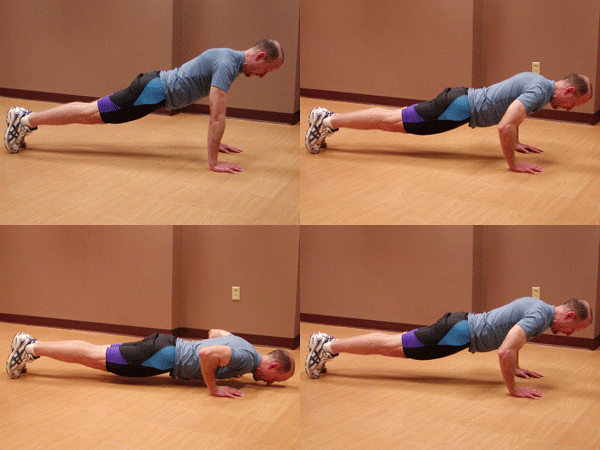
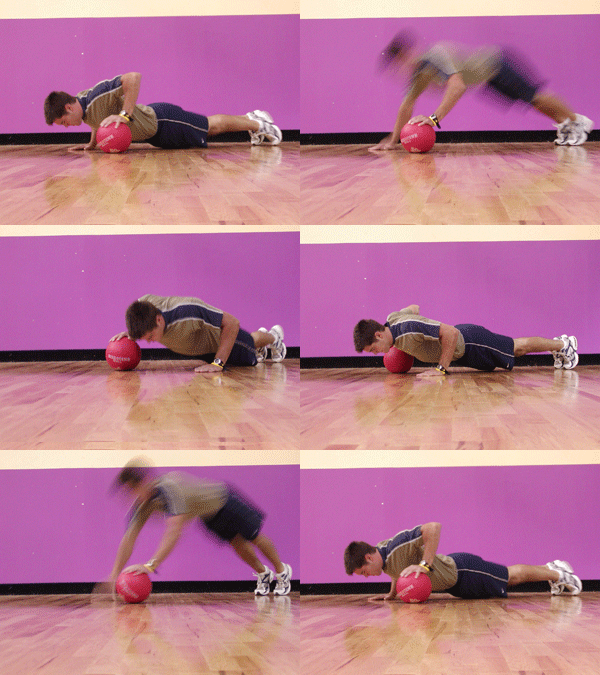
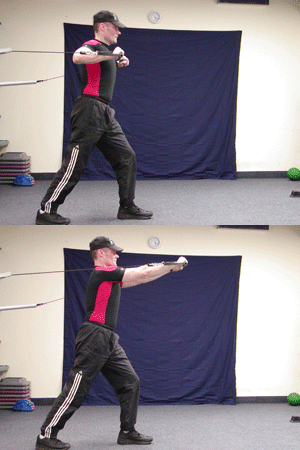
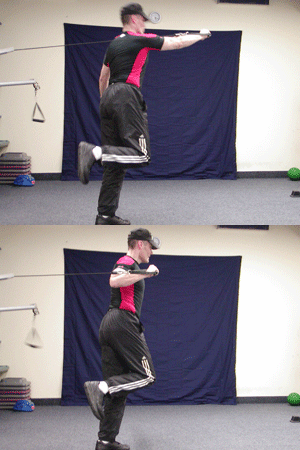
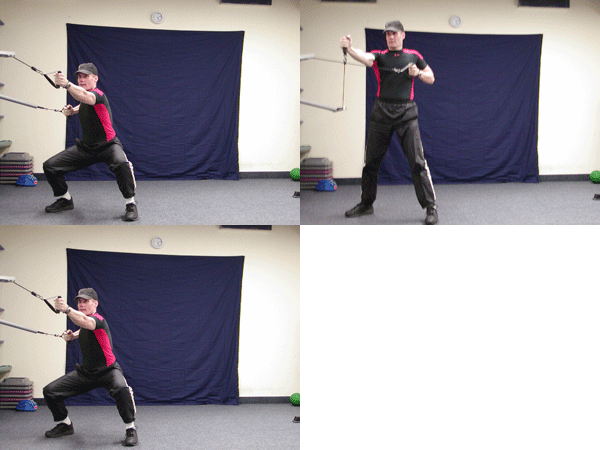
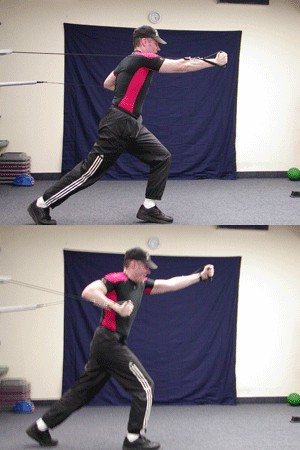
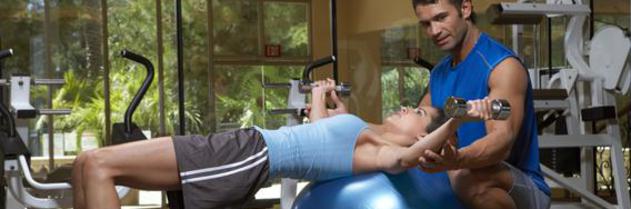
1. Seated Dip 2. Long Sitting Dip 3. Chest Press on Ball 4. Chest Press on Foam
5. Incline Push-Up 6. Push-Up on Knees 7. Push-Up on Toes 8. Plyo-Push-Up
9. Standing Chest Press 10. 1 Leg/1 Arm Press 11. Push/Pull w/Squat 12. Jog and Jab
Template 4: Upper & Lower Extremity Combo (Pull)
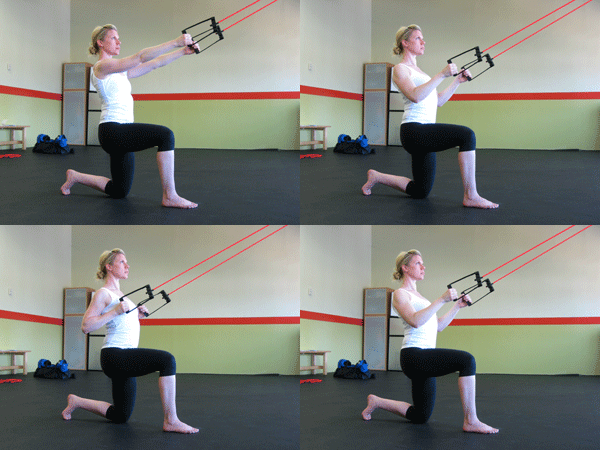
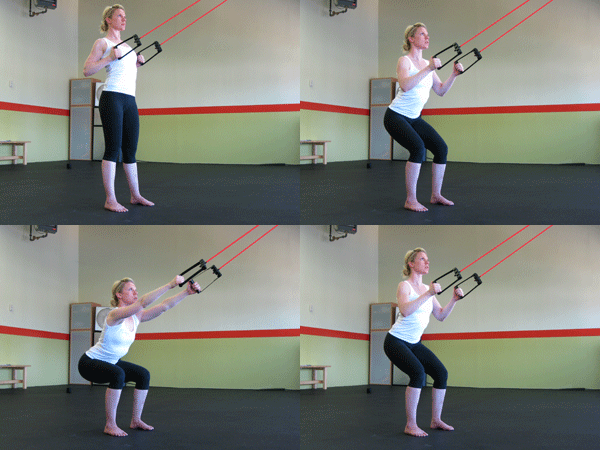
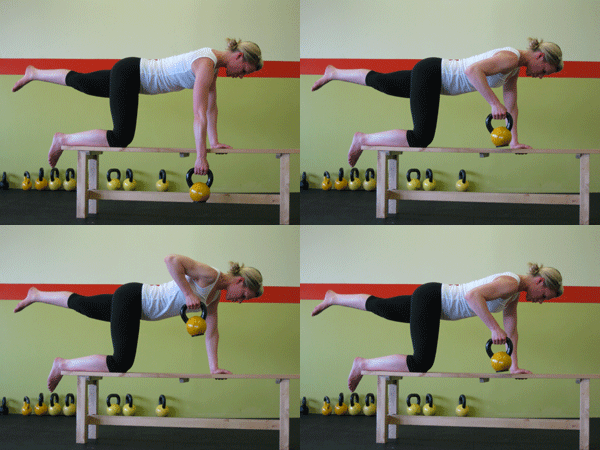
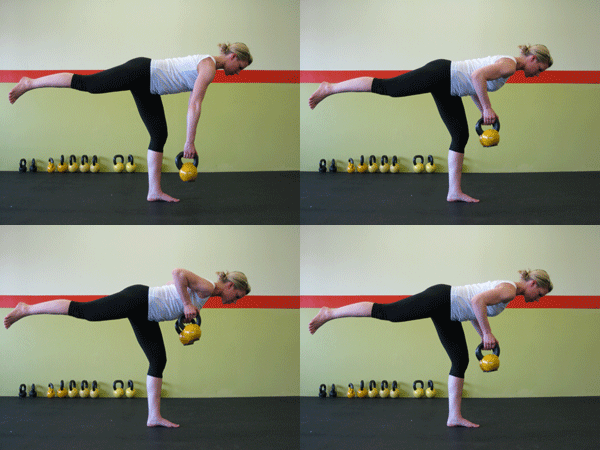
For a FULL explanation of each exercise, place mouse on the exercise you want to learn about & left click.
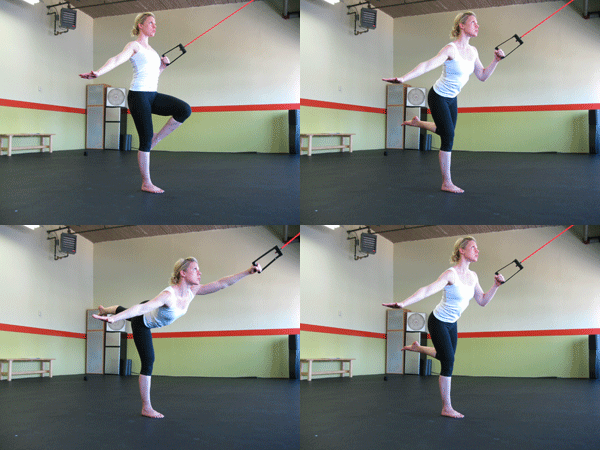
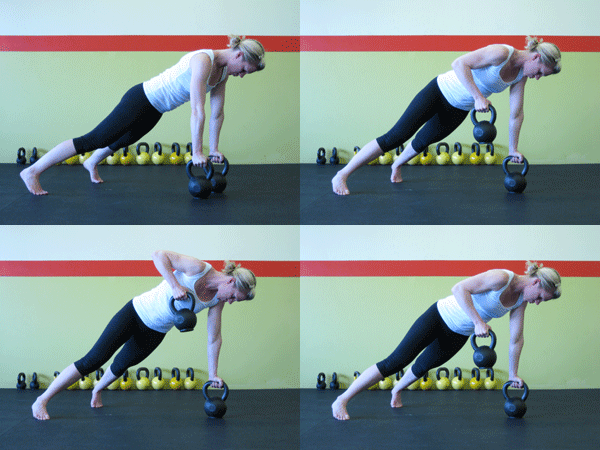
1. Half-Kneeling Pull 2. Squat-to-Row 3. One-Arm Row 4. Deadlift-to-Row (1 Leg)
5. Bent over Rows (1 Leg) 6, Renegade Rows
Template 5: Prone Progressions
Model: Michaela Foulkes: Click Here to visit her website.
For a FULL explanation of each exercise, place mouse on the exercise you want to learn about & left click.

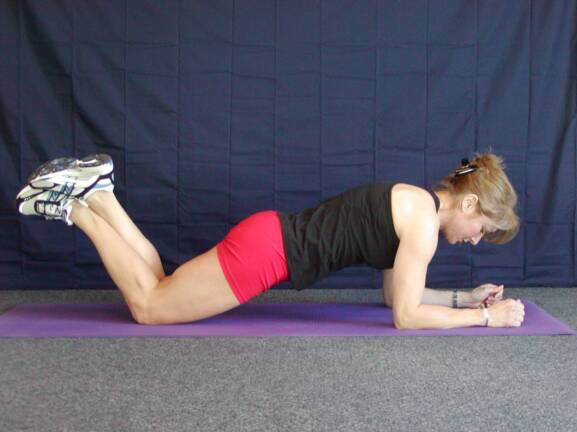
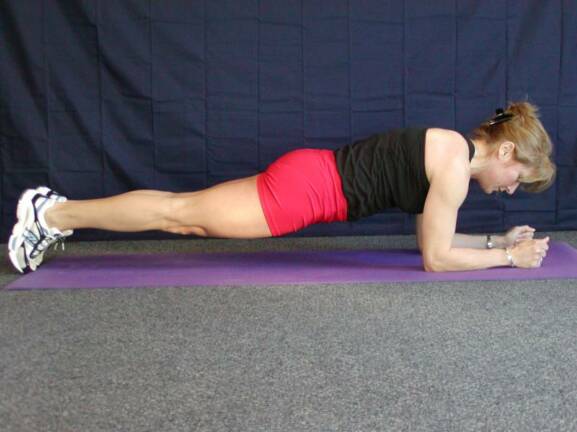
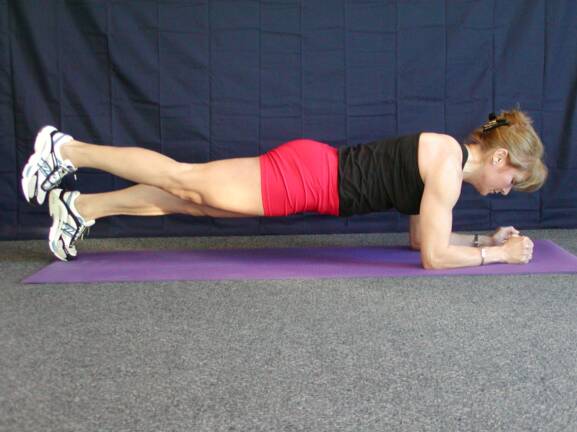
1. Plank 2. Plank 3. Plank 4. Prone Ball Walk Out
3. Plank 4. Prone Ball Walk Out(Elbows & Knees) (Elbows & Toes) (Alt. Hip Extension)
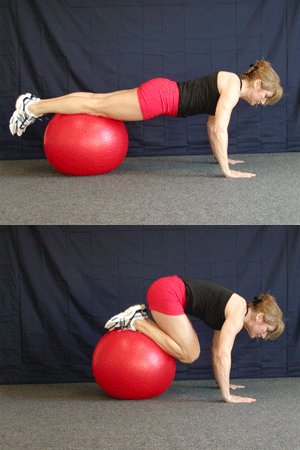
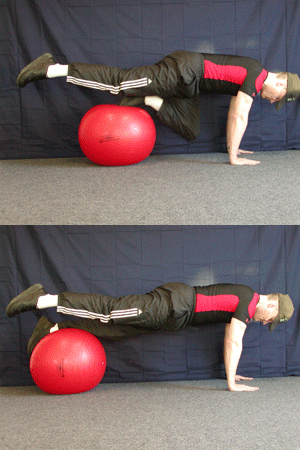
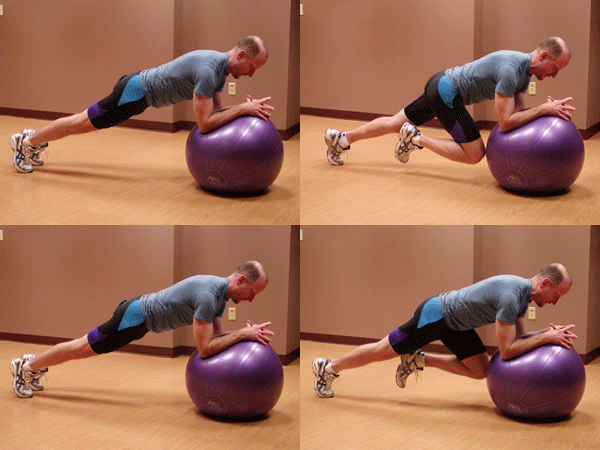
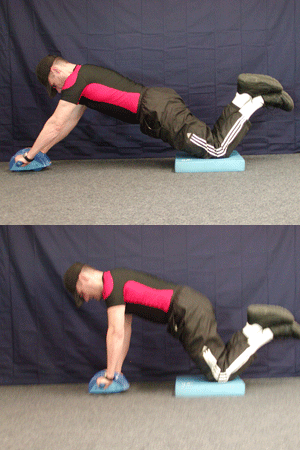
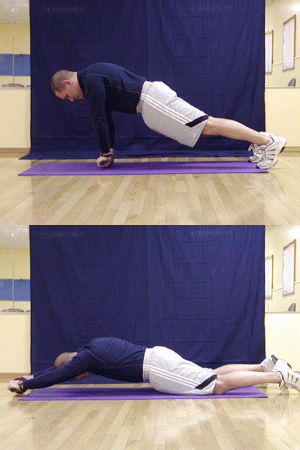
5. Jack Knife 6. Jack Knife (1 Leg) 7. Alt. Hip Flexion 8. Rolling Wheel on knees
9. Rolling Wheel on Toes
Template 6: Transverse & Frontal Plane Progressions
For a FULL explanation of each exercise, place mouse on the exercise you want to learn about & left click.
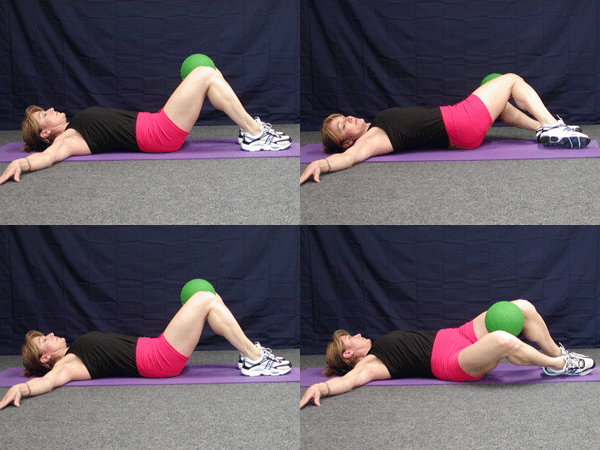
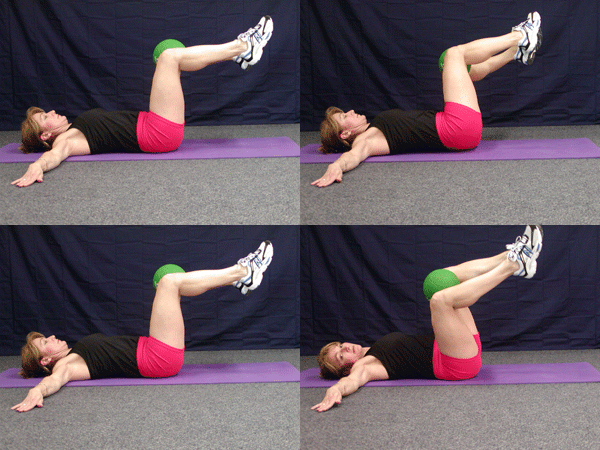
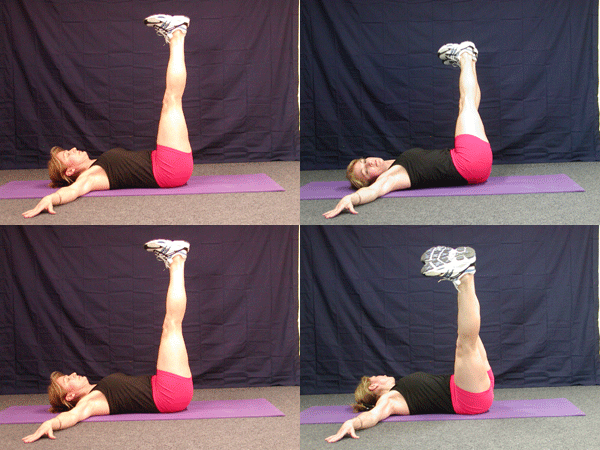
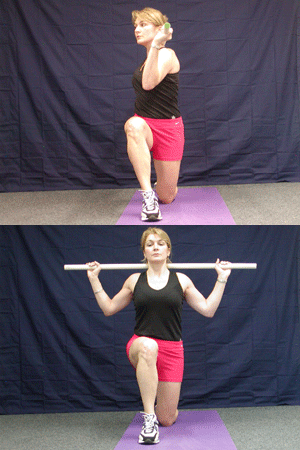
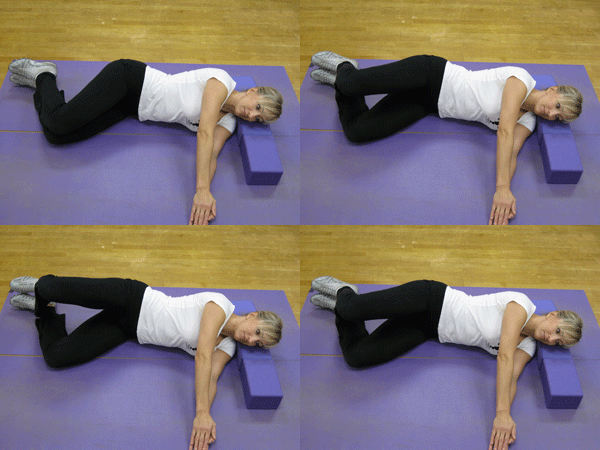
1. LTR/Feet on Ground 2. LTR/Feet off Ground 3. LTR/Legs Straight 4. UTR/ in 1/2 Kneeling
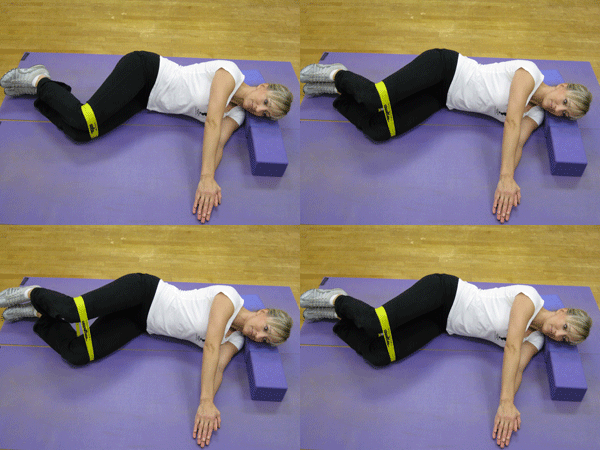

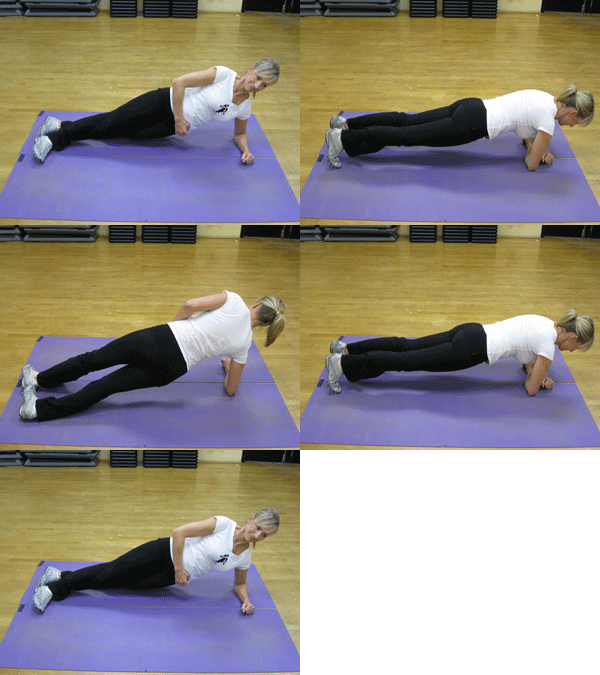
5. Clam Shell 6. Clam Shell (Band) 7. Side Bridge (knees) 8. Side Bridge (ankles)
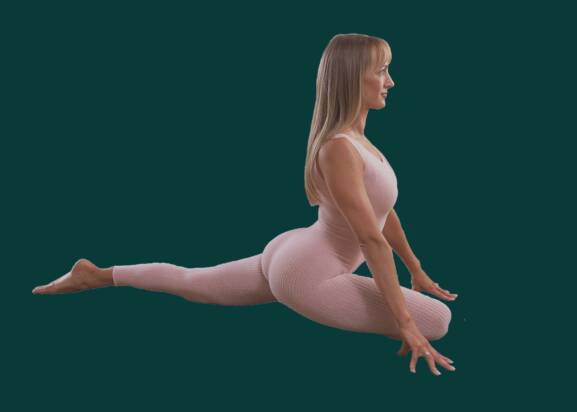
Movement Preparation/Stretches
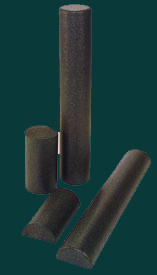
Foam Roll Exercises
Explanation:
Many muscles develop "knots" or adhesions (scar tissue) from overuse or previous injury. A different form of flexibility training is needed for this type of problem that focuses on the fascial system (connective tissue) in the body which is prone to these adhesions.
Simple stretching is not always the answer for restoring normal range of motion in this context. Massage Therapy consisting of deep tissue massage attempts to 'break up' or release these knots.
An alternative to massage therapy is to use, what we call in this field, A FOAM ROLLER (see figure 1) which attempts to break the adhesions. This is called
"SELF-MYOFASCIAL RELEASE" or SMR for short.
Figure 1 (Foam Rolls)
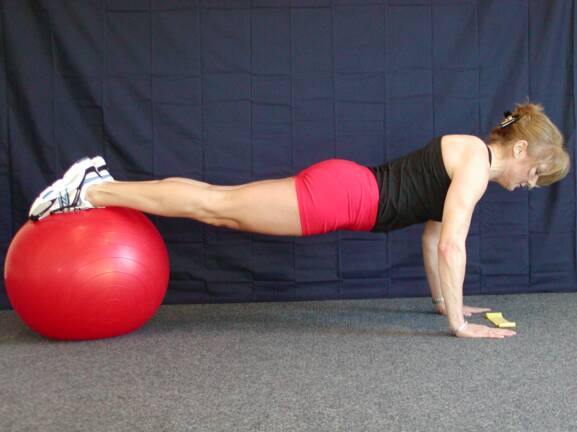
9. Prone Skier
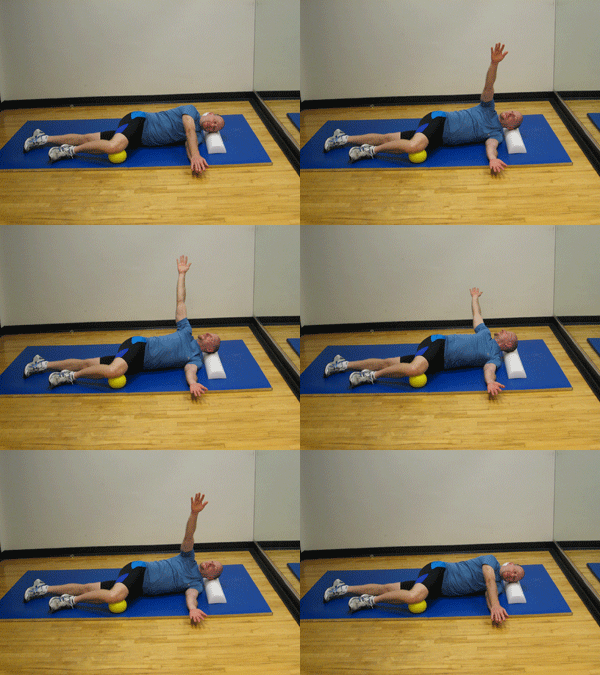
Examples of Foam Rolling Exercises
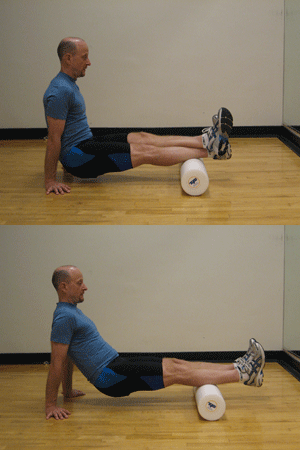
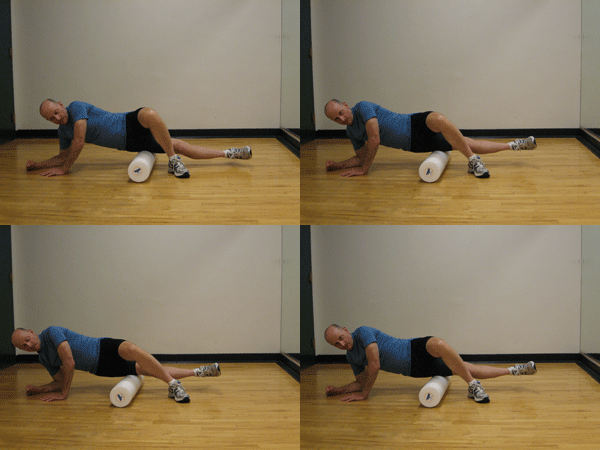
Contraindications to
Foam Rolling:
Malignancy
Osteoporosis
Osteomyelitis (bone infection)
Phlebitis (infection of superficial veins)
Varicose Veins
Cellulitis (infection of soft tissue)
Acute Rheumatoid Arthritis
Blood Clot
Eczema (skin lesions)
Healing Fractures
Obstructive Edema
Advanced Diabetes
Hematoma
Systemic /Localized Infection
Heart Disease
Bursitis
Aneurism
Open Wounds
Hypersenstive Skin Conditions
Anticoagulant Therapy
Organ Failure
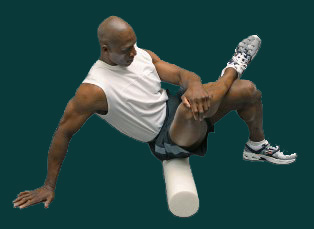
Courtesy of the NASM
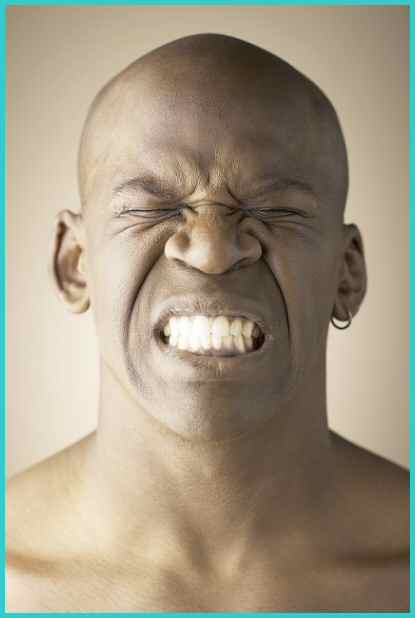
Some individuals may experience severe pain when foam rolling certain areas. In many cases this simply means that adhesions
exist in these areas.
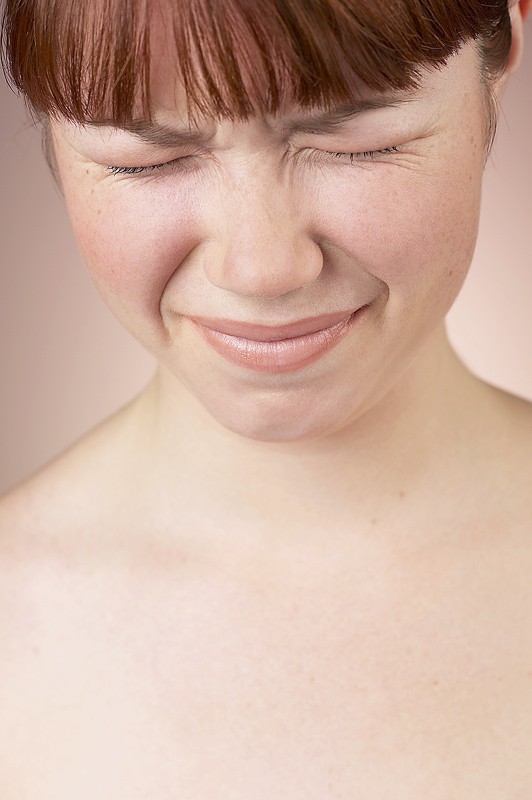
TO PREGNANT WOMEN: Avoid foam rolling the inner thighs (or medial side of lower leg) as this has been shown to induce premature uteral contractions (SOURCE: NASM). It should be noted that the first trimester, pregnant women may be more sensitive to foam rolling.
Stretch
.Toe Touch Progression
Explanation:
According to Gray Cook, PT, author of the best selling book, "Athletic Body in Balance", The Toe Touch Progression simply teaches relaxation of the lower back and how to shift weight from the heels to the toes in a smooth and consistent fashion.
If you can't touch your toes, this is an indicator that your low back is too tight and can impede proper form on the squat incidentally.
Execution:
When you perform the Toe Touch Progression, your feet should be 'locked' together which forces you into a HIGH ARCH position. And with your toes elevated (on the 1/2 foam-see Figure 1) you bias a stretch to the gastroc/soleus (calf) and SHUT DOWN the plantar flexors. At the same time by adducting the legs (i.e., squeezing towel between knees) it turns on the anterior structures of the core and through reciprocal inhibition, you shut off the external rotators of the hip and low back as wll as the hip extensors (buttocks & hamstrings).
Repeat the same procedure except now place heels on 1/2 foam (see Figure 2).
PERFORM 10 REPS
OF EACH EXERCISE.
This is like magic, you should see immediate increases in range of motion in your posterior muscles (calves, and hamstrings), unless, of course, there is some other pathology that exists. Click on the animated pics for more details.
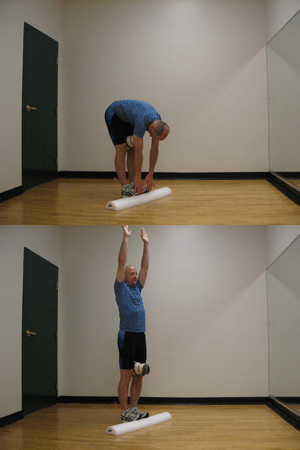
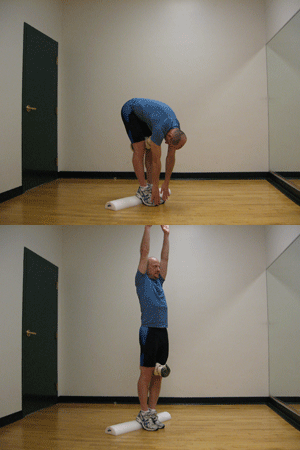
Figure 1:
Toe Touch Progression (Toes on Foam).
Figure 2:
Toe Touch Progression (Heels on Foam).

Source:
Athletic Body in Balance,
Gray Cook, PT
Click on Gray's picture to purchase his book.
Thoracic Mobility
Upper Trunk Rotation should be done AFTER you foam roll the thoracic (T) spine. The 'YouTube' video depicts how to foam roll the middle back. After you foam roll the throracic spine, proceed to the "Upper Trunk Rotation" (UTR for short) exercise. When performing UTR, you may need to place a small medicine ball under your bent knee.
The goal is to rotate from the torso with your arm going for the ride. Make sure your knee does not lose contact with the ball (or the floor if you choose NOT to use the ball). Keeping the knee in contact with the floor activates the core musculature. Keep your eyes on the moving hand, if you can't see your hand, stop moving arm.
Foam Rolling the T Spine (Mid Back)
Upper Trunk Rotation
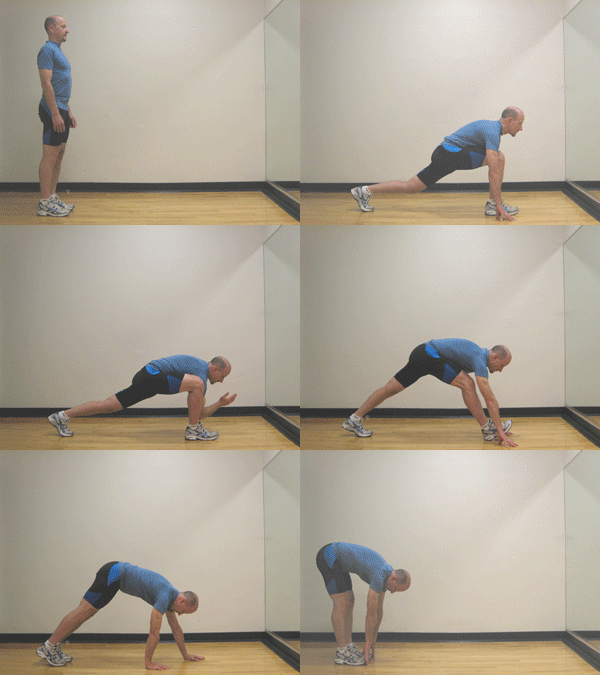
World's Greatest Stretch
I first saw a version of this stretch in Mark Verstegen's book, "Core Performance". I immediately loved it because it stretched so many muscles while at the same time challenges your balance and stability. This is the stretch to perform if you are in a hurry. Thank you Mark.
Anyone interested in visiting his website, click here.